
Withdrawal symptoms are common for people with alcohol use disorder who stop drinking, but many respond well to treatment. Of course, alcohol withdrawal itself can also can drinking alcohol cause panic attacks cause anxiety and panic attacks. Withdrawal anxiety is complicated, but it essentially comes from the way your mind experiences the stress of losing out on alcohol.
A primer on anxiety disorders
Life today for a person aged 65 years or older dramatically differs from life 50 years ago, with major advances in health and technology. Futurists like Ray Kurzweil predict continued advances in biotechnology, nanotechnology, and artificial intelligence, which could lead to increases in life expectancy. Scientific advancements may allow people to live beyond 100 years. On the other hand, many older adults face social isolation, chronic pain, shrinking social networks, and the deaths of loved ones.
- Few people may realize it, but you can actually be allergic or intolerant to alcohol.
- Having a history of seizures increases your risk for withdrawal seizures.
- Alcohol affects the levels of serotonin and other chemicals in your brain, so it affects your body and mind in various ways the next day.
- When you drink, do you couple this with eating pretzels, pizza or sweets?
Symptoms of Alcohol Withdrawal
- Consuming more than that can lead to liver damage and heart disease, and increase your risk for some cancers.
- The symptoms of alcohol withdrawal delirium include withdrawal seizures that can occur between 8 and 28 hours after your last drink.
- AWS is often accompanied by intense cravings to drink and may affect your emotional, cognitive, and physical well-being.
Meanwhile, the brain is producing more and more neurotransmitters, making a person further imbalanced. In some cases, symptoms may progress to severe withdrawal with seizures and delirium tremens. Alcohol can also make anxiety worse because it affects the levels of other mood-influencing chemicals like serotonin. Research notes that changes in chemical levels such as serotonin can cause anxiety disorders and depression. Antidepressants may be taken every day to help treat anxiety, while benzodiazepines are generally used for temporary relief from uncontrollable feelings of anxiety. Talk to your doctor to decide which type of medication is best for you.
Social Support and Treatment Programs
This page explains more about anxiety, why alcohol can trigger it or make it worse, and steps you can take to feel better. Mild symptoms may appear similar to a hangover, but they last longer than 24 hours. They may also https://ecosoberhouse.com/article/how-long-do-amphetamines-stay-in-your-system/ do a blood test called a toxicology screen to measure the amount of alcohol in a person’s system. Blood tests and imaging tests can show if organs, such as the liver, have been affected by a person’s intake of alcohol.
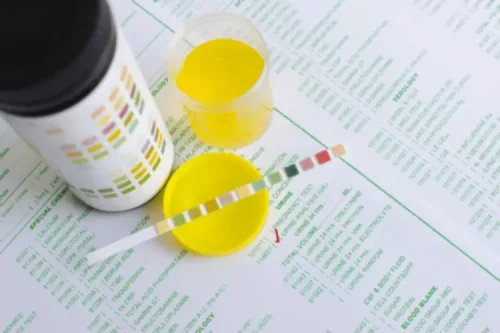
What are moderate to severe alcohol withdrawal symptoms?
Patients with mild to moderate withdrawal symptoms without additional risk factors for developing severe or complicated withdrawal should be treated as outpatients when possible. Ambulatory withdrawal treatment should include supportive care and pharmacotherapy as appropriate. Mild symptoms can be treated with carbamazepine or gabapentin.
Social embarrassment